


 24/17
24/17
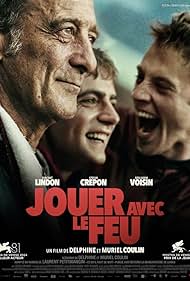
Jouer avec le feu (2024): A deep dive into father-son dynamics and ideological conflicts
“Jouer avec le feu” is a moving film set in post-May ’68 France. , explores the complex relationship between a widowed father and his son, drawn into an ideology that threatens to shatter their lives. bond. Not only does this film deliver a compelling narrative, it also invites viewers to reflect on the nature of familial love, understanding, and the struggles that arise when worldviews clash.
Story: The Struggle for Connection
The plot follows Pierre, a devoted father navigating the turbulent waters of single parenthood after the loss of his wife. As he struggles to provide for his family and maintain a stable home environment, he faces an unexpected challenge: his son becomes increasingly fascinated by radical ideology. This ideological shift creates a rift between Pierre and his son, forcing him to confront his own beliefs and the limitations of his own understanding.
Set during a period of significant social upheaval, the film captures the spirit of the era. where young people began to question traditional values and norms. The backdrop of France after May 68 is a crucial element in shaping the characters’ experiences and decisions. The film delves into the impact of societal changes on personal relationships, especially the bond between father and son.
Character Development: Pierre and His Son
As the story unfolds, the audience watches the transformation of Pierre and his son. Pierre, once a staunch supporter of his family values, finds himself in a position where he must adapt or risk losing his son entirely. The film perfectly illustrates the inner conflict that many parents face when their children begin to explore new ideologies that differ from what they were taught.
In contrast, the son’s journey is portrayed with nuance. His attraction to the new ideology signifies a search for identity and belonging in a world that feels increasingly chaotic. This exploration is not simply a rebellion against his father, but rather a search for understanding and meaning that reflects the experiences of many young adults in times of social change.
Thematic elements: ideology, family, and love
h2>
Jouer avec le feu grapples with monumental themes such as ideology, family dynamics, and love. The father-son relationship is a microcosm of the broader societal tensions of the time. As Pierre struggles to understand his son’s newfound beliefs, the film encourages viewers to reflect on the importance of dialogue and empathy in bridging ideological divides.
The film also highlights the emotional impact of these conflicts. Pierre’s desperation to connect with his son is palpable, and viewers are left to ponder the lengths to which parents will go to protect their child from what they believe to be harmful influences. The fight is not just about ideology; it is about the enduring power of love and the human desire to connect.
Visual and Cinematic Techniques
The cinematography of Jouer avec le feu plays a crucial role in conveying the emotions and weight of the story. The use of light and shadow effectively reflects the characters’ inner turmoil. Intimate shots draw the viewer into the emotional landscape of father and son, while wider shots of the chaotic streets of France suggest the external pressures affecting their relationship.
Furthermore, the film’s score. enhances the narrative, providing a haunting backdrop that underscores the emotional role. The music complements the visuals, enriches the viewing experience, and deepens the viewer’s engagement with the characters’ struggles.